Bokashi Buckets: 4 Setups Compared
Bokashi is not a slow pile. It's a fast lactic-acid fermentation that turns kitchen waste — including the meat, dairy, and cooked food most compost methods reject — into pre-compost in about two weeks, at room temperature, in a bucket on your counter. The difference between the four setups below is workflow: one batch at a time, or a continuous two-bin rotation. The four below are the SCD system and its inputs — for a multi-brand comparison that adds the TeraGanix Organko, see our Best Bokashi Kits page.
How bokashi actually works (so the gear makes sense)
- It's fermentation, not decomposition. A culture of effective microorganisms — lactobacilli and yeasts seeded onto wheat bran — ferments the waste the way sauerkraut ferments: the bucket's pH drops to roughly 3.5–4, which is acidic enough that the rot you'd normally fear (anaerobic pathogens) can't thrive. That's the entire reason meat and dairy are allowed in a bokashi bucket and not in a hot pile.
- There's no heat phase. The bucket works at room temperature. The 131°F pathogen and weed-seed kill that defines a hot pile doesn't happen in the bucket — it happens later, when the fermented material goes into soil or a live pile. Bokashi output is pre-compost, not finished compost.
- Bran is the only consumable. About a quarter cup of bran per inch of waste, every layer. It carries the culture and supplies the carbon the lactobacilli feed on. When the bucket runs out of bran, the method stops — which is why the top-up in this comparison is its own pick.
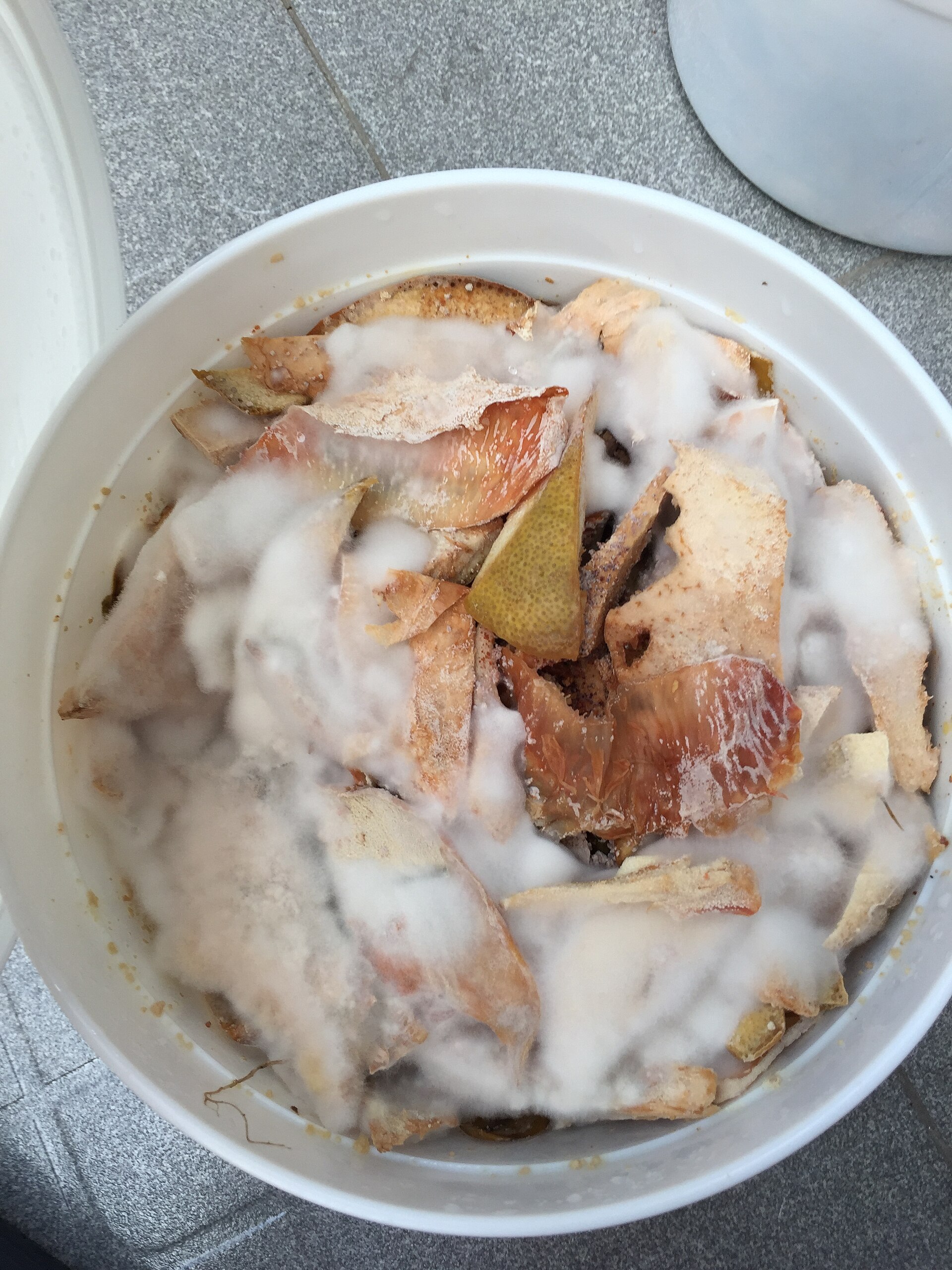
- Watch the tea and the mold. A dark liquid ("bokashi tea") drains to the spigot as things ferment — that's normal. A pale tan or white mold (koji) on the surface is a healthy sign. Black mold or a putrid smell means air got in and the batch failed.
The four setups, box-for-box
| Setup | Bucket | Bran included | Spigot | Workflow |
|---|---|---|---|---|
| SCD Single Kit | 1 × 5 gal (19 L) | 2 lb dry bran | Yes, with strainer | One batch at a time, 2–4 week cycles |
| SCD 2-Bin Kit | 2 × 5 gal (19 L each) | 5 lb dry bran | 2, with strainers | Continuous: one ferments while the other fills |
| SCD 2 lb Dry Bran | — (bring your own) | 2 lb dry bran | — | Top-up for an existing bucket |
| Starter Kit (budget) | Compact starter bucket | Included | — | Lowest entry price, first-bucket scale |
A 5-gallon bucket handles roughly a week of scraps for a household of two at normal layering. Prices move weekly; the listing behind each link below shows the current price.
The picks
-
01
View SCD Single Starter Kitaffiliate linkBest first kit — SCD Probiotics All Seasons Single Starter Kit
The bucket the method was built around: a 5-gallon (19-liter) food-grade bin with a spigot and strainer, plus 2 lb of dry All Seasons bokashi bran — the dry, shelf-stable form of the culture that's been the category standard for years. One batch at a time: fill it over a few days with a quarter cup of bran per inch of waste, let it ferment two to four weeks, then empty it into soil or your pile. It's the right default when you want the full method without deciding anything. The single-bucket workflow is the one thing to understand before buying — there's a pause between batches (see pick 02 for the fix).
-
02
View SCD 2-Bin Kitaffiliate linkBest zero-wait workflow — SCD Probiotics All Seasons 2-Bin Kit
Two 5-gallon bins and 5 lb of dry bran — the setup the method actually wants, because bokashi's weakness is the gap between batches. With two bins, bin A ferments while bin B fills, so there's never a day when you have nowhere to put a scrap. It's the pick for households serious enough to keep the bucket going year-round, and for anyone whose first single bucket convinced them. Same bucket, same spigots, same bran as the single kit — you're paying for the second bin and the bigger bran supply.
-
03
View SCD 2 lb Dry Branaffiliate linkBest top-up — SCD Probiotics All Seasons 2 lb Dry Bran
Bran is the only thing a bokashi bucket consumes, and a 2 lb pail is roughly a month of daily use for a two-person household. This is the one a bucket owner buys every few months — dry All Seasons bran with the All Seasons culture, the same formula that's in both kits above. Already own a food-grade 5-gallon bucket and a spigot from a hardware store? This pail plus your hardware is a fully working system for a fraction of the kit price.
-
04
View Starter Kitaffiliate linkBest budget entry — Bokashi Composting Starter Kit
The low-cost on-ramp, carried in our original equipment roundup since the Hot vs. Cold vs. Bokashi article: a compact starter with its own bucket and bran, sized for a first batch and a smaller waste stream. It's the pick for a single person testing the method before committing to a 5-gallon setup — or as a second bucket for a kitchen counter while a bigger bin lives in the garage. The trade-off is scale: it's a trial kit, not a household workhorse.
The four links above are Amazon affiliate links. We may earn a commission if you buy through them, at no extra cost to you.
Run the bucket right
- Quarter cup of bran, every inch of waste. This is the whole method. A layer of scraps with no bran underneath is a layer that rots.
- Press it down. Air pockets are what turn a batch black. Compacting each layer is the difference between koji and failure.
- Drain the tea. When the spigot starts dripping, open it — a few times a week. Use it 1:100 diluted on houseplants, or don't use it at all; it's a byproduct, not a required input.
- Know the mold. Pale tan or white = koji, the good kind. Black, or a putrid smell = air got in, and that batch goes to the pile, not the garden.
- It's stage one. Bury fermented material at least two inches deep in soil (it finishes in about two weeks) or mix it into a live pile. Straight into a pot as if it were compost is how people get disappointed with bokashi.
Affiliate disclosure: the product links on this page are Amazon affiliate links. We may earn a commission if you make a purchase at no extra cost to you. Every pick above is labeled "affiliate link" at the point of purchase. Full disclosure.