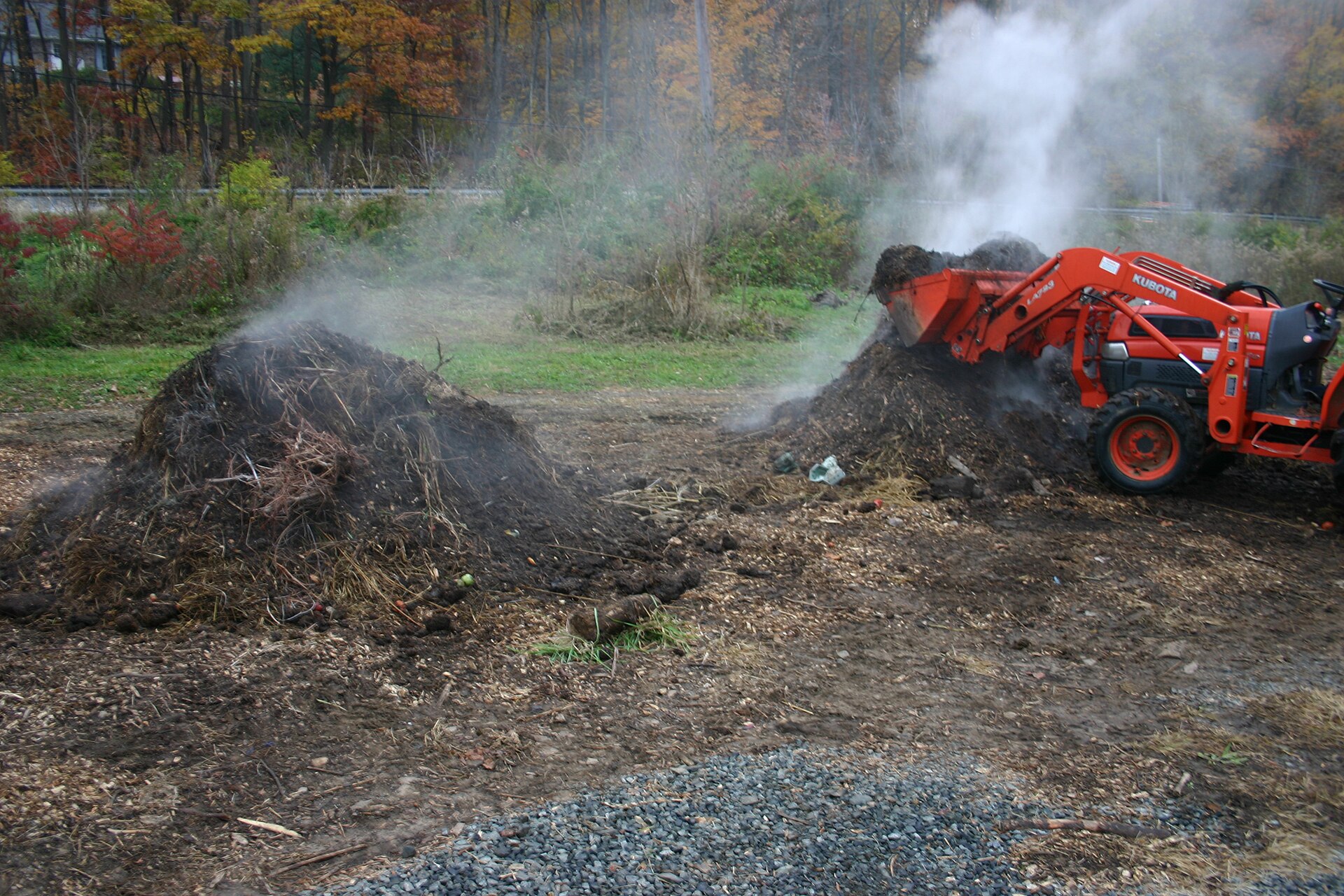
Compost runs on biology. We read the instruments.
Every recommendation on this site starts from specs, published test data, and long-term user reports — then gets a clear verdict on which tool fits your pile. No sponsored placements, no vague "top picks." If we don't have the number, we say so.
Why measurement
A compost pile is a reactor with a temperature curve, an oxygen budget, and a clock. The mesophilic bacteria warm it to roughly 120°F, the thermophiles push it past 131°F — the threshold where the EPA requires three days of sustained heat to sanitize pathogens — and then the pile cools into curing. You can run all of that blind, and you probably will for a while. But the moment you want finished compost on a schedule, or weed-free and pathogen-low output for vegetable beds, you need instruments and equipment matched to the job.
That's the whole site in one line: the gear, ranked by the data, written in plain English.
What we test
We start with the gear that shows up in the most composting forums and group-buy threads — because that's what readers ask about. Each roundup compares models on the construction features that determine real-world life: sealing, materials, dimensions, and the numbers the manufacturer publishes.
-
W·01
Worm bins & worm farms
Five indoor bins compared — trays, bags, and buckets. Which one composts food scraps without smell, in an apartment, through winter. Read the worm bin comparison →
-
C·01
Compost bins & tumblers
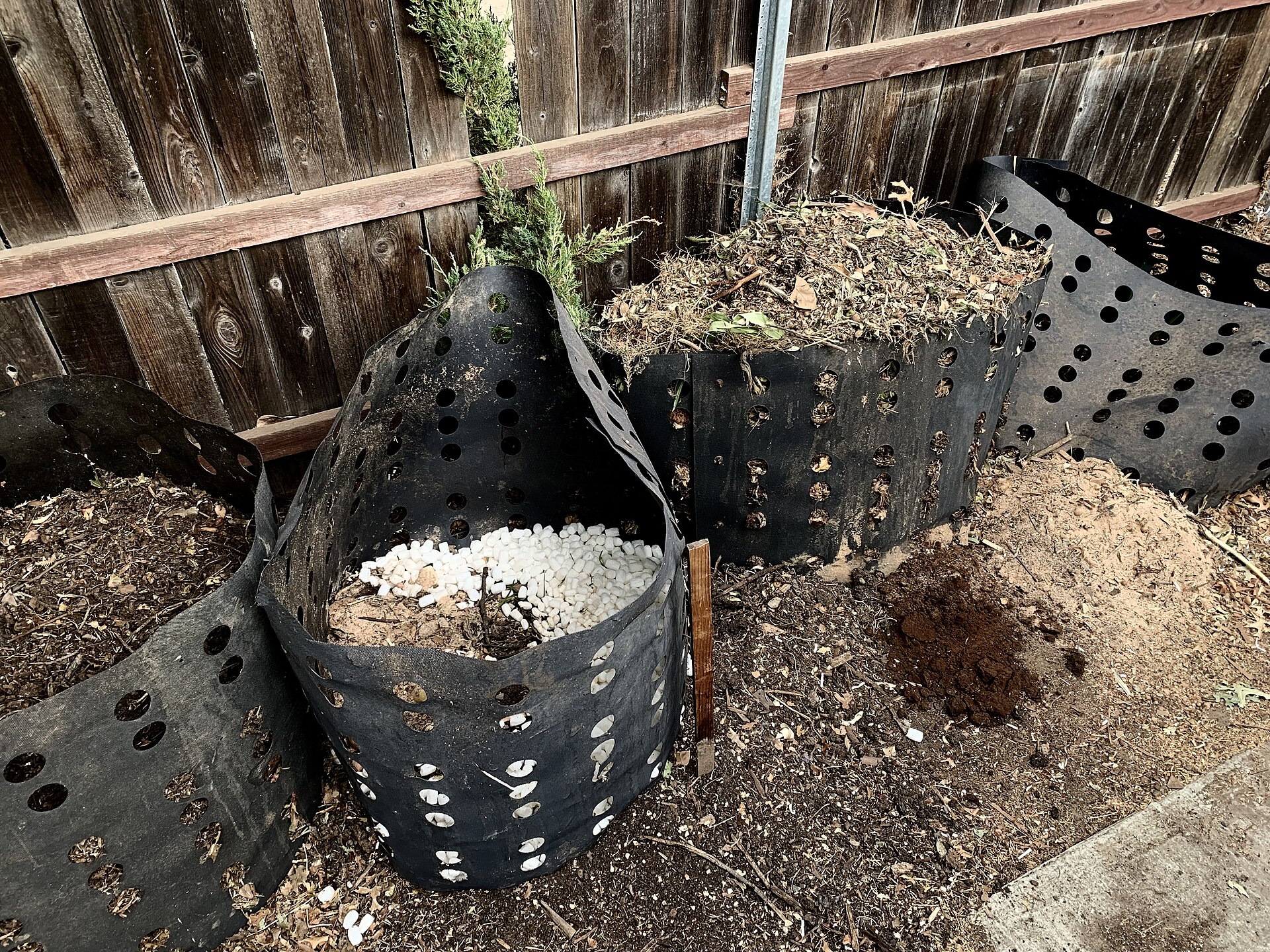
Seven outdoor systems from a $100 tumbler to an 80-gallon aeration box. Aeration access, lid seal, and flip weight are the specs that matter. Read the bin comparison →
-
T·01
Compost thermometers
Six dials from $15 to $60, compared on hermetic sealing, stem gauge, and published accuracy. The $15–$60 gap is construction, not marketing. Read the thermometer showdown →
-
B·01
Bokashi buckets
Four counter-top methods compared — the SCD kit, the two-bin setup, the bran refill, and the DIY route — with the honest part: bokashi ends in pre-compost, and where the leachate goes. Read the bokashi comparison →
-
BC·01
Biochar for compost & soil
Five bags compared on volume, source biomass, and particle size — plus the activation step that decides whether the biochar helps the soil or strips it. Read the biochar comparison →
-
K·01
Countertop electric composters
Six machines from 3 to 19 liters, compared on drum size, daily throughput, and the consumable cost the marketing leaves out — including our first full product review, the GEME Terra 2. Read the composter comparison →
-
TO·01
Compost tools: aerators & the rest
Two aerators compared for reach and review base, the thermometer cross-referenced to its showdown, and the anti-list: the gear that doesn't earn its shelf space. Read the tools hub →
The science articles
Four articles in one reading order, each mapped to the gear it leads to. The science hub sequences them from first principles to process choice.
-
A·01
Introduction to compost culture
The foundation: what composting actually is, the four inputs that control speed, and where home practice lands on the curve. Read →
-
A·02
Microbial succession in composting
Who eats what, in what order: the community handoffs from mesophiles to thermophiles to fungi, and what each phase asks of you. Read →
-
A·04
Hot vs. cold vs. bokashi
Three different processes wearing the same hat — speed, sanitation, and smell compared honestly, including when each is the wrong choice. Read →
Read the science, buy the instruments.